Maintaining Crystal Clear Waters: Essential Swimming Pool Care
A sparkling, well-maintained swimming pool is the centerpiece of any backyard oasis. However, keeping pool water clean, safe, and inviting requires regular attention and proper chemical treatment. This article will guide you through the basics of swimming pool maintenance, with a focus on water chemistry and treatment.
The Importance of Water Balance
Maintaining the right chemical balance in your pool is crucial for several reasons:
- Swimmer comfort and safety
- Protecting pool equipment and surfaces
- Ensuring the effectiveness of sanitizers
- Preventing algae growth and bacterial contamination
Key factors in water balance include pH, alkalinity, calcium hardness, and sanitizer levels.
pH Levels: The Foundation of Pool Chemistry
pH is a measure of how acidic or basic your pool water is. The ideal pH range for pools is between 7.2 and 7.6. Maintaining proper pH levels is critical because it affects the efficiency of your sanitizer and the comfort of swimmers.
If pH is too low (acidic), it can cause:
- Eye and skin irritation
- Corrosion of metal components
- Etching of plaster surfaces
If pH is too high (basic), it can lead to:
- Reduced sanitizer effectiveness
- Scale formation
- Cloudy water
Regular testing and adjustment of pH using pH increasers or decreasers is essential for proper pool maintenance.
Alkalinity: The pH Buffer
Total alkalinity acts as a buffer for pH, helping to prevent rapid pH fluctuations. The ideal range for alkalinity is 80-120 ppm (parts per million). Maintaining proper alkalinity makes it easier to control pH levels and prevents staining and equipment damage.
Calcium Hardness: Balancing Soft and Hard Water
Calcium hardness measures the amount of dissolved calcium in your pool water. The ideal range is 200-400 ppm. Proper calcium hardness prevents scaling in hard water conditions and corrosion in soft water conditions.
Sanitizers: Keeping Your Pool Safe
Chlorine is the most common pool sanitizer, responsible for killing harmful bacteria and preventing algae growth. The ideal free chlorine level is 1-3 ppm. Other sanitizer options include bromine and saltwater systems, which produce chlorine through electrolysis.
Shock Treatment: Oxidizing Contaminants
Periodic shock treatments with high levels of chlorine or non-chlorine shock help eliminate contaminants, kill algae, and restore water clarity. Shock your pool weekly or after heavy use, rain, or when problems occur.
Testing and Adjusting Water Chemistry
Regular water testing is crucial for maintaining proper chemical balance. Use test strips or a liquid test kit to check levels at least twice a week. Adjust chemicals as needed based on test results.
Additional Maintenance Tasks
While chemical treatment is vital, don’t forget these other important maintenance tasks:
- Brush pool walls and floor weekly to prevent algae buildup
- Vacuum the pool regularly to remove debris
- Clean skimmer and pump baskets
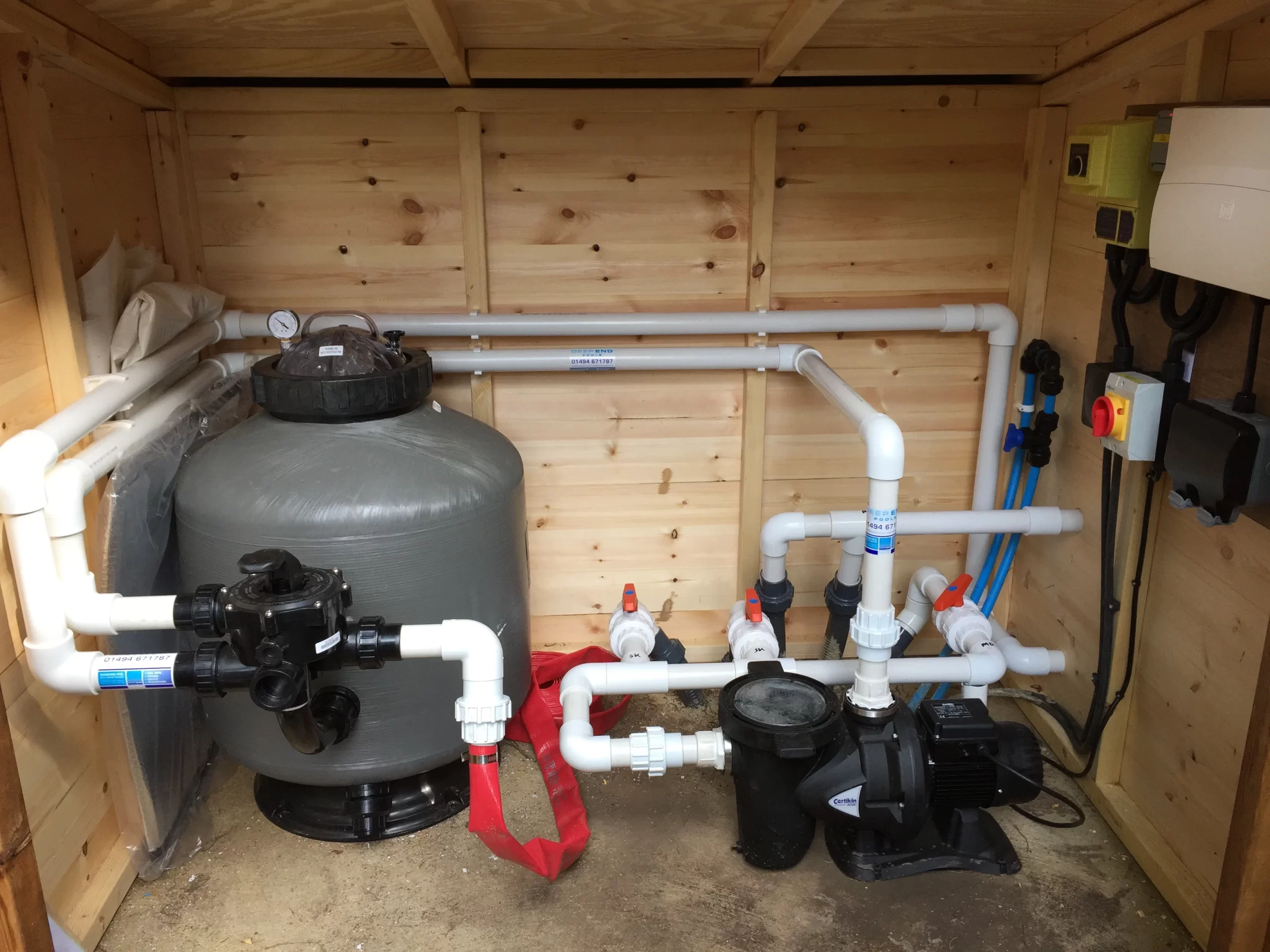
- Backwash the filter as needed
- Maintain proper water level
Winterizing and Opening
In colder climates, proper winterizing is essential to protect your pool during the off-season. This includes lowering the water level, blowing out plumbing lines, and adding winter chemicals. When reopening in spring, gradually restore water chemistry and thoroughly clean the pool before use.
By following these basic maintenance practices and paying close attention to water chemistry, you can ensure a safe, clean, and enjoyable swimming environment throughout the pool season. Regular care not only enhances the swimming experience but also protects your investment in your backyard retreat.
You May Also Like